Drone filming on a working port: what to plan for
Permissions, security, timing and safety: what port and terminal teams need to plan for before a drone or film shoot on a working port.
A port is one of the most rewarding places to film from the air, and one of the most complicated. Vessels, cranes, cargo and people are all moving at once, the site is secure, and the airspace often belongs to more than one authority. Good footage is the easy part. Getting the right permissions, at the right time, without slowing the operation down, is where the work is.
We specialise in maritime and port filming, and have worked across Associated British Ports sites for seven years, including Southampton, Marchwood, Swansea and Felixstowe, and on MOD and naval sites in Portsmouth. This guide sets out what a port or terminal team should expect when they commission a drone or film shoot, and what makes the difference between a smooth day and a cancelled one.
Why ports film
Most port footage is commissioned for one of seven reasons:
- Stakeholder engagement - showing local authorities, investors and the community what the port does and how it is changing.
- Winning work - giving shipping lines, project cargo customers and tender panels a clear view of berths, storage and access.
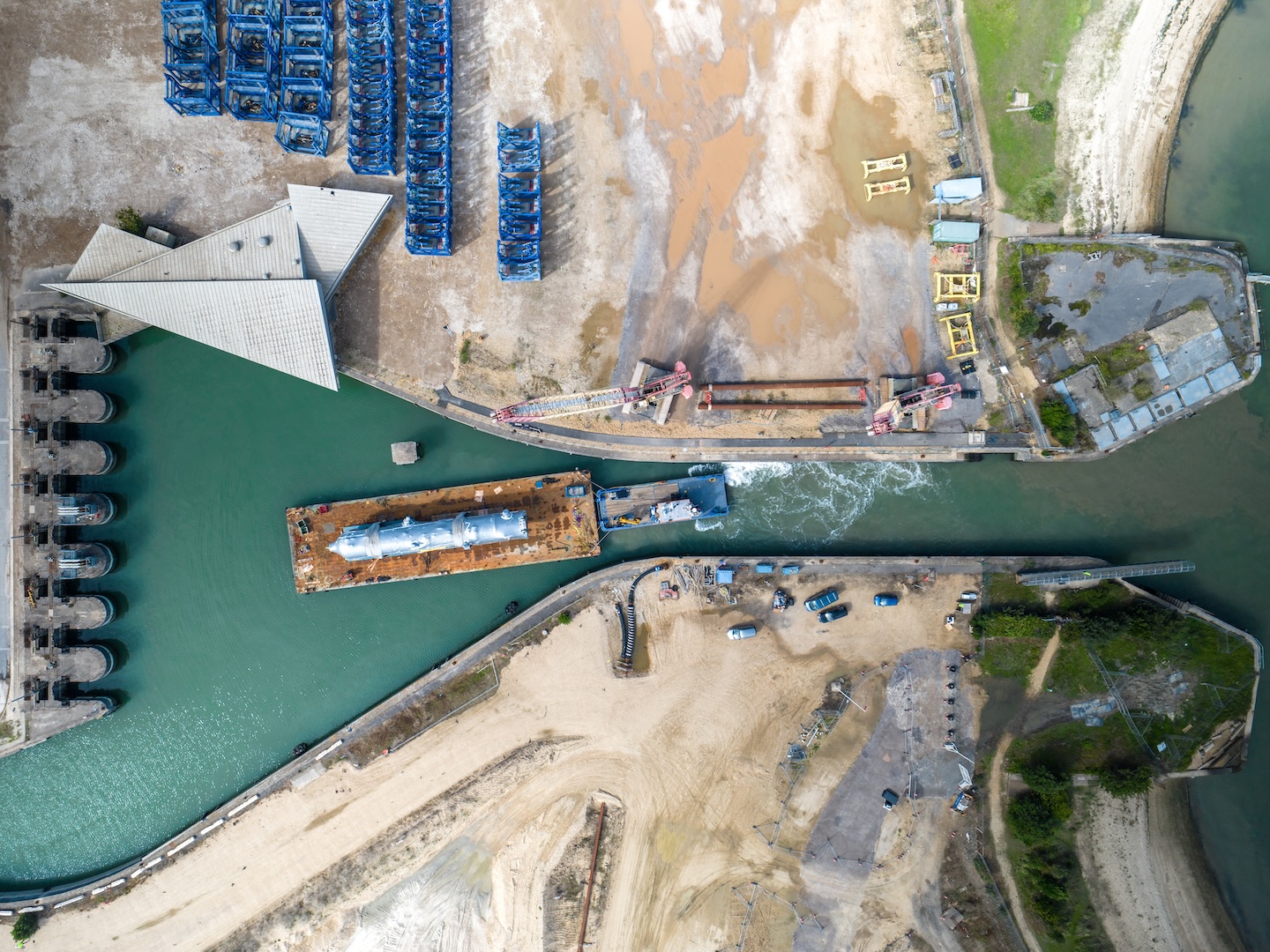
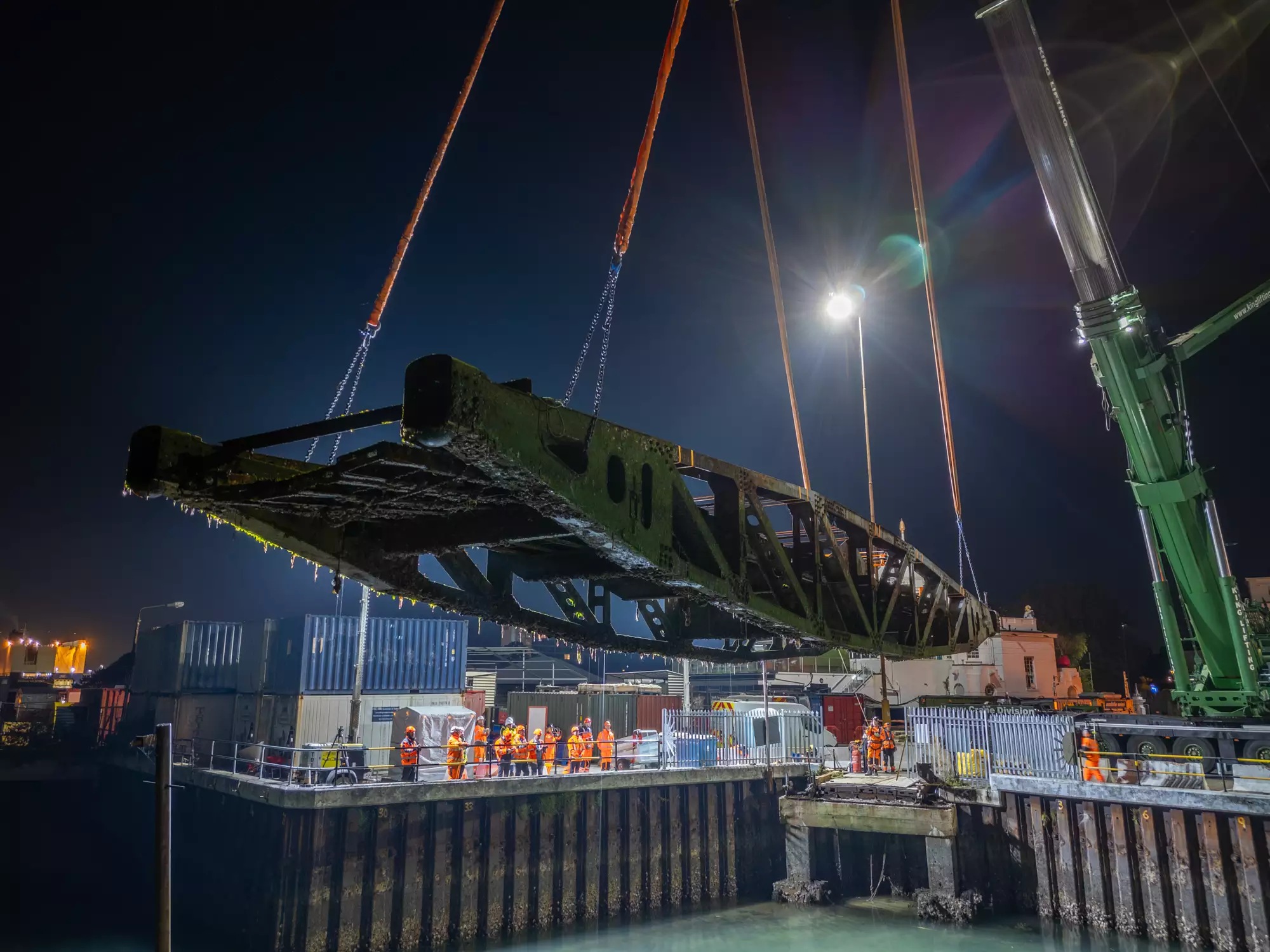
- Project capture - recording construction, dredging, berth upgrades and new equipment from start to finish.
- Recruitment - showing the scale and variety of jobs on site to people who have never been inside the fence.
- Education and training - safety inductions, equipment and procedure training, and site familiarisation films that show new starters, contractors and visiting crews how the port works before they arrive.
- Location filming - film, TV and advertising productions that want to use the port as a set. An aerial crew that already knows the site, its permissions and its people makes the day easier for the production and the port.
- Operational records - documenting a specific move, an arrival or an incident for internal use.
The permissions a port shoot needs
A drone operation on a port usually needs several separate permissions. They come from different people, and none of them replaces the others.
- CAA authorisation. Commercial work close to people, structures and vessels normally sits in the Specific category. We hold a CAA Operational Authorisation (PDRA01), which covers this kind of work within its conditions.
- Airspace. Many ports sit near airports, heliports or controlled airspace. Flight Restriction Zones need permission from the aerodrome itself, and controlled airspace needs coordination with air traffic control.
- Port and harbour authority. The harbour master, port security and the operations team all need to know what we are doing, where we are taking off and when. On some ports this is one conversation; on others it is three.
- Restricted and MOD areas. Naval bases and MOD port limits, including in Portsmouth Harbour, have their own rules and their own approval routes.
- Landowner and tenant consent. If we are taking off from or filming a tenant's berth or yard, they need to agree too.
It is our job to work through these, not yours. What helps most is an early introduction to the right person in your operations or security team.
Lead times
We can sometimes film and fly the same day as an enquiry, where the site and airspace allow. More time to plan almost always gives a better result, though, and some sites need it. As a planning guide:
| Situation | Typical notice needed |
|---|---|
| Standard operation under our existing authorisation | Sometimes same day; a few days gives time for a proper recce and plan |
| Controlled airspace needing ATC coordination | 5-10 working days |
| Inside an airport Flight Restriction Zone | 5-15 working days, depending on the aerodrome |
| Port authority or MOD clearance | Varies widely - start early |
If something urgent comes up, call us anyway - we will tell you straight away what is possible today and what needs more time.
Planning a port project now?
Security and site access
Most ports operate under maritime security rules, and restricted areas mean exactly that. Before the shoot we will usually need:
- names and ID for everyone on the crew
- vehicle details for site access
- an escort or a named point of contact on the day
- confirmation of any areas, vessels or cargo that must not appear on camera
That last point matters more than people expect. Customer cargo, security infrastructure and some vessels may be sensitive. Tell us early and we will plan the shots around it, rather than editing it out afterwards.
Working around live operations
We plan to fit around the port, not the other way round. That means:
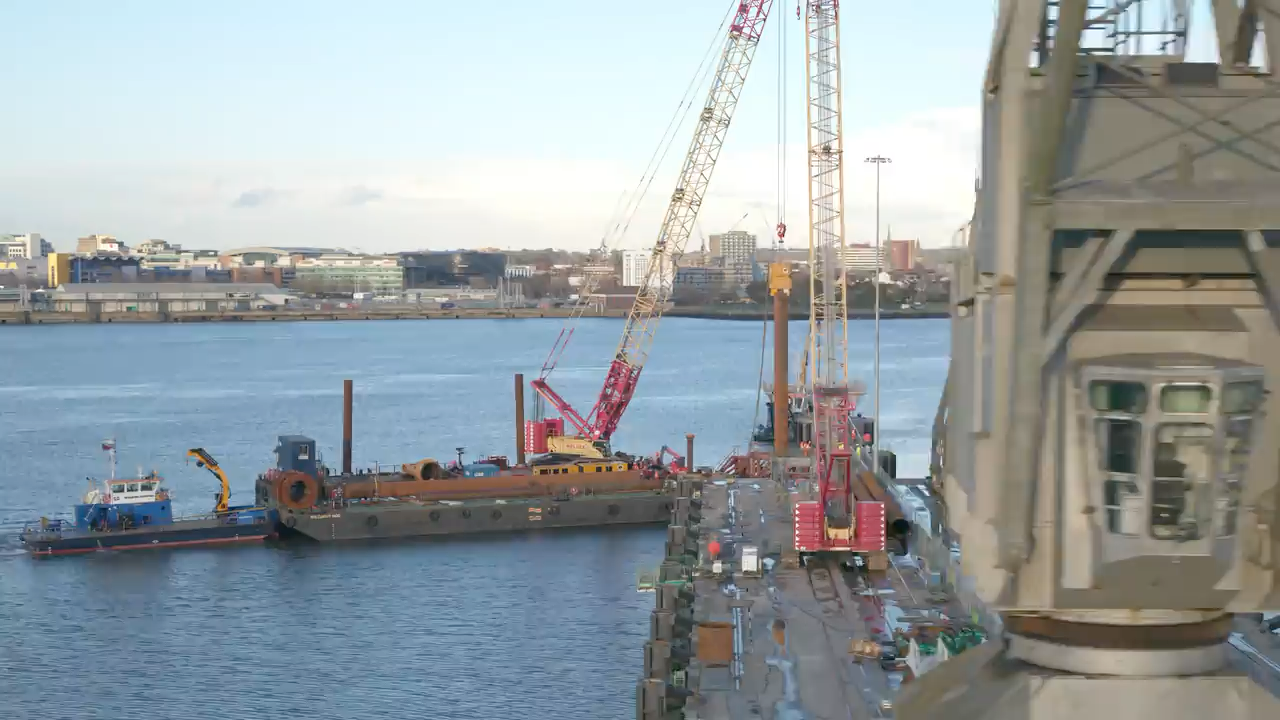
- Timing to the tide and the schedule. An arrival, a crane lift or a busy quay at first light are all worth waiting for. We will ask for vessel schedules and berth plans so we know when the interesting things happen.
- Safe take-off and landing areas agreed with operations, away from vehicle routes and lifting zones.
- Separation from people and vessels in line with our authorisation and our site risk assessment.
- Abort criteria agreed in advance. We decide before the day what will stop a flight - wind, weather, a change in operations - so no one is making that call under pressure.
Ports are exposed places. Wind across a quay can be very different from the forecast inland, so we always plan a weather window and a fallback date.
What to film, and how
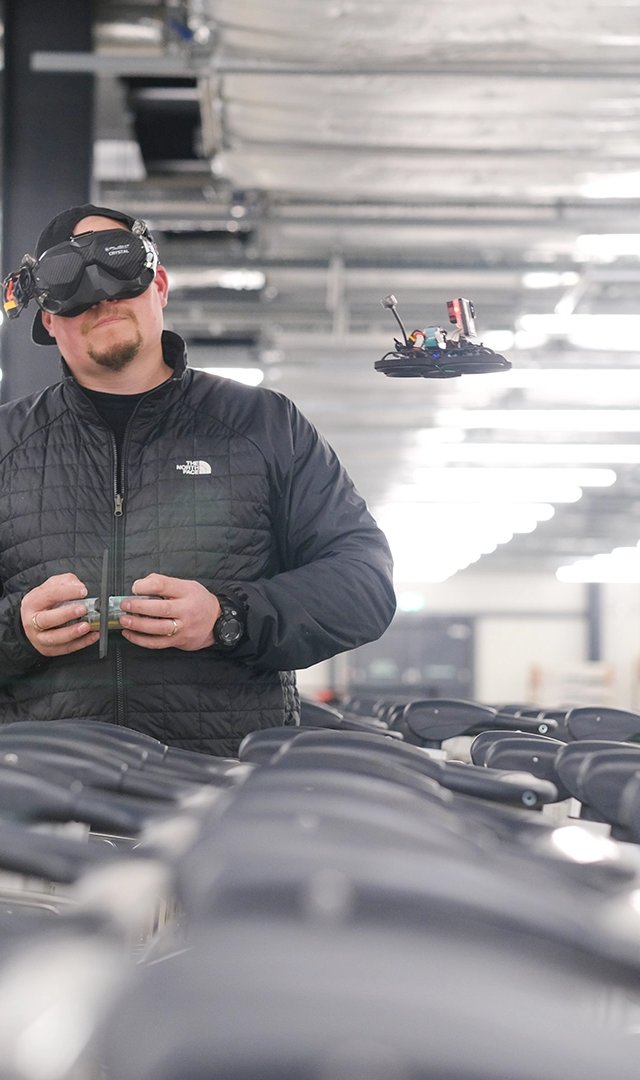
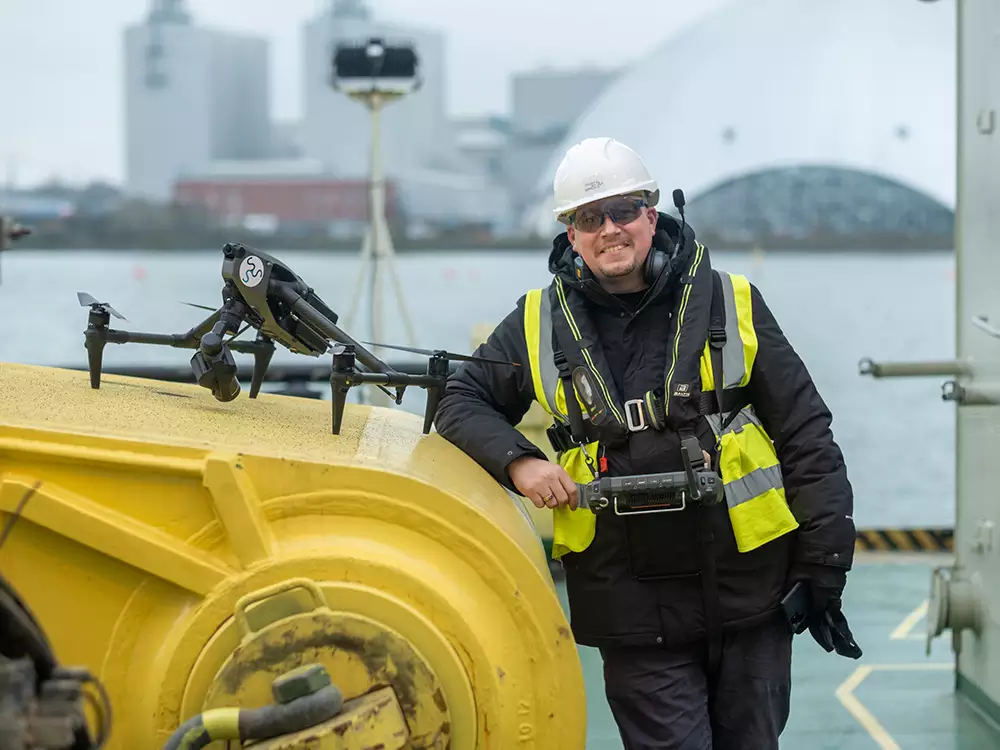
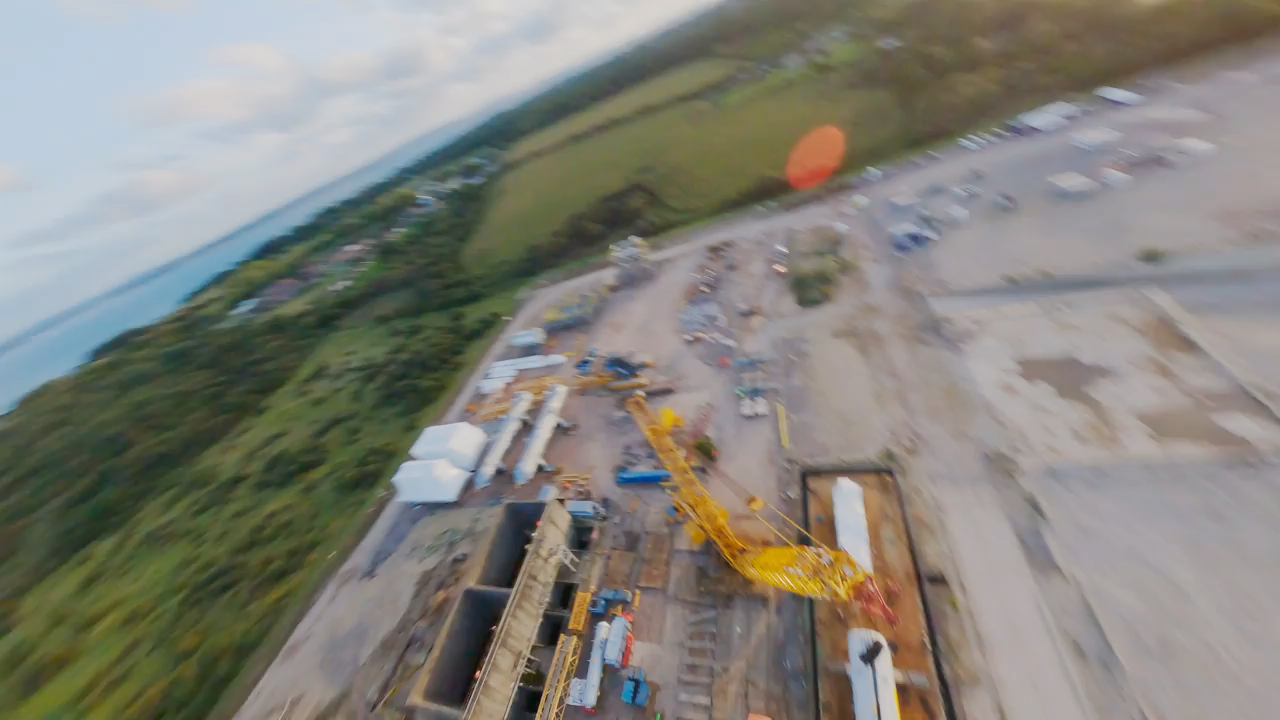
The right aircraft depends on the output. We generally fly a DJI Inspire 3 with cinema lenses, or a Mavic 4 Pro, for the big establishing shots of berths, vessels and the wider estate. Smaller aircraft and FPV drones are used for close, moving shots through and around structures where a larger drone would not be appropriate.
From the air, port footage works best when it shows scale and movement: a vessel coming alongside, straddle carriers working a stack, a cargo lift from start to finish. From the ground, cinema cameras pick up the people and the detail that make a port film feel human.
For longer projects such as berth construction, fixed-camera time-lapse and repeat drone flights from the same positions give you a consistent record you can cut together at the end.
Deliverables that keep working
A single shoot can supply far more than one film. Before the day, think about where the footage will be used:
- a headline film for the website and events
- short vertical cuts for LinkedIn and social
- high-resolution stills for reports, tenders and press
- raw graded footage for future edits
- orthomosaic maps or 3D models if the project needs measurement as well as marketing
Planning this up front costs very little. Trying to get a vertical cut from footage shot only for widescreen costs a lot more.
How we work with port teams
We are a family-run, CAA-certified drone and film company based in Portsmouth, with £10m insurance, and we work UK-wide. Port teams can book us for drone work only, for a full production including ground filming, lighting and post production, or as a white-label crew under an agency or production company.
Not yet?
Send us your next vessel arrival, berth upgrade or open day date and we'll keep it on file. When it comes round, we'll already know your site.
Frequently asked questions about drone filming in a port
Can you film from a boat?
Yes. We can organise a chase boat for low angles and close passes, and we can also fly from land or from your own vessels, depending on the trial and the site.
Can you keep our trial confidential?
Yes. We regularly work to publicity and security restrictions, including internal-use-only filming, keeping branding or equipment out of shot, approval of every edit before release, and handing over all footage at the end.
Can you film on naval or MOD sites?
We have filmed on MOD and naval sites in Portsmouth and have five consecutive years of documentary work with the Royal Navy. Access and clearance go through each site's own approval route, so tell us early.
How do you film a fast vessel from the air?
It depends on the vessel, the sea state and the wind. We plan the runs and positions with your trials team, combining tracking shots with set positions ahead of the vessel, and use FPV aircraft where they are the right tool.
Do you film uncrewed and autonomous vessels?
Yes. We plan the shots with your engineering team so the film explains what the system is doing, using aerial tracking, control room footage and the vessel working alongside conventional craft.